Project info
- Case Studies, Featured
OICC Marine Corps Marianas
Black Construction Corporation
Setiadi Architects Partner I ASMD JV
Project Description
Andersen, Guam
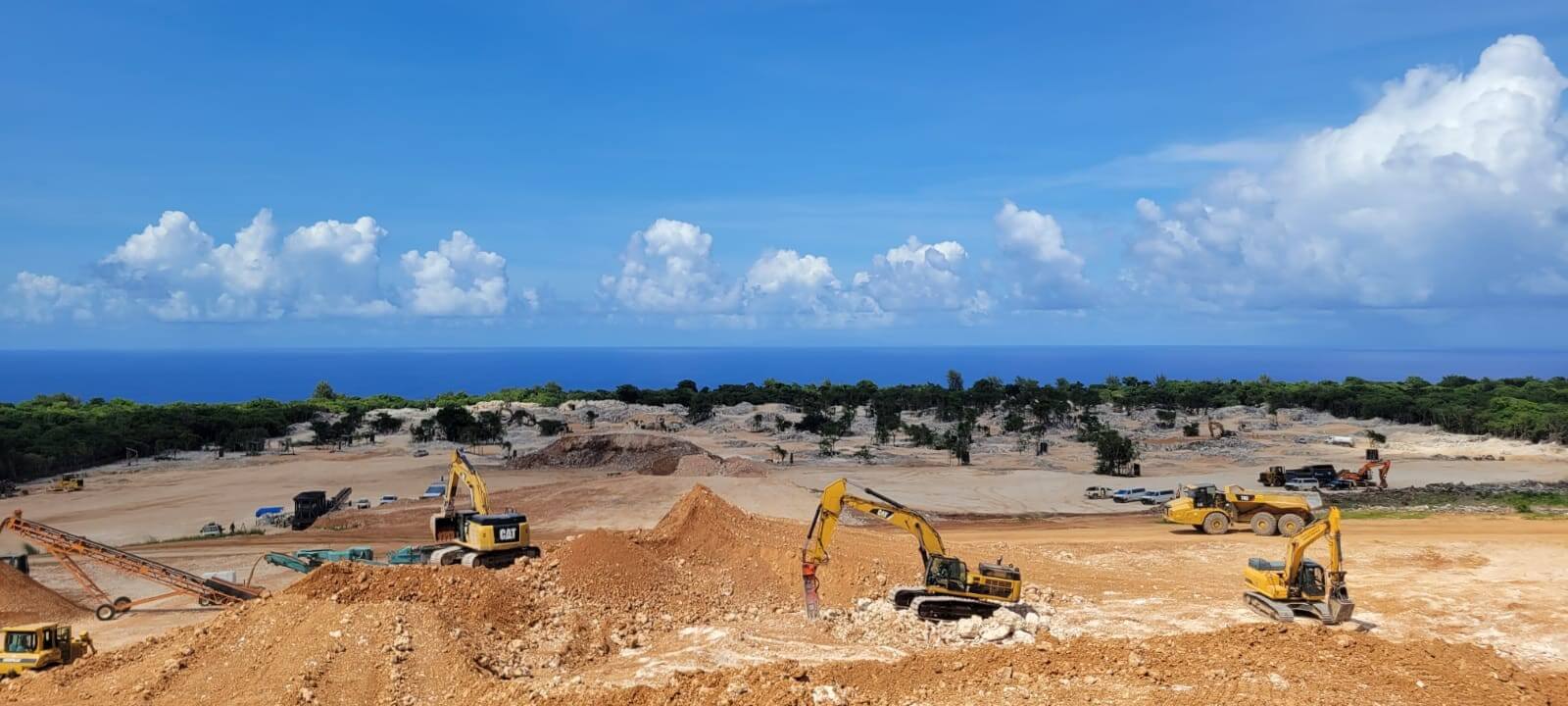
Building a critical military training facility on a 101-acre site in Guam presented the project team with challenges that went far beyond the complexity of the construction itself. Located at Naval Support Activity Andersen for the Joint Region Marianas, the P-735 Machine Gun Range (MGR) is part of the larger Mason Live-Fire Training Range Complex at Andersen’s Northwest Field. The facility provides essential training capabilities for U.S. Forces and partners in the Pacific and supports the relocation of U.S. Marine Corps units to Guam under the Defense Policy Review Initiative (DPRI).
The project included extensive sitework and construction of a 1,000-meter-long automated, multipurpose range with 316 targets within 276 target enclosures, along with a range control tower, ammunition distribution point, covered bleachers, monitoring wells, utility enclosures and a 1,000-foot-long earth berm.
But the project’s physical scope was only part of the challenge. The site’s sensitive environmental and cultural resources required specialized mitigation and coordination. The team crushed approximately 1.5 million cubic yards of limestone for reuse as backfill and processed 37,000 cubic yards of green waste for landscaping, while protecting water resources, native species and cultural resources. A 1,000-foot-long butterfly habitat was also constructed.
The project also included a Comprehensive Environmental Response Compensation, and Liability Act removal action involving Munitions and Explosives of Concern, Material Potentially Presenting an Explosive Hazard, and contaminated soil at the former munitions’ disposal site known as UXO-4A. These conditions, combined with stringent safety requirements and numerous stakeholders, made collaboration essential to successfully moving the project forward.
Partnering Approach
Recognizing the complexity ahead, the project team integrated Partnering into its day-to-day operations rather than treating it as a series of standalone meetings. Facilitated by VELO Group, the team participated in six Partnering Workshops and five supplemental review sessions from kickoff through closeout, using a formal Partnering Charter to align goals, expectations, success criteria and issue-resolution procedures.
That framework gave the owner, contractor, design team, key subcontractors and regulatory stakeholders a way to identify challenges early and work through them together. A partnering survey provided additional insight into the team’s progress, with feedback showing improved communication, stronger collaboration and greater shared ownership.
As challenges arose, the partnering process became particularly valuable. The team worked collaboratively through UXO remediation, environmental constraints, regulatory changes, schedule recovery and the effects of Typhoon Mawar. When the typhoon made travel to Guam difficult, virtual partnering sessions maintained communication and decision-making without losing momentum.
The team also took partnering into the field. A mission-focused Partnering workshop (PAK) at the start of the project helped stakeholders develop a shared understanding of how the completed range would operate, while weekly issue-resolution huddles gave the team a forum to address emerging challenges quickly. This resulted in a collaborative environment in which issues could be resolved at the project management level without mediation or arbitration. Open communication and mutual accountability built trust not only among the core project team, but also with other contractors working on the base.
Together, these practices enabled the team to successfully navigate the project’s complexities, demonstrating how an integrated, collaborative approach to Partnering can strengthen project outcomes and serve as a model for future construction projects.
Partnering Results
- $8 million in estimated project savings attributed to partnering
- Completed 2.5 months early
- Strong safety performance
- No unresolved claims
- High stakeholder satisfaction
- Increased collaboration and improved communication
- Fostered Innovation for project complexities
- Successful resolution of unforeseen conditions
- Rapid response to legislative and regulatory changes
Project Notes
- Project Cost: $133.4 million
- Size: 101 acres
- Delivery Method: Firm Fixed Price
- Construction Start: October 2021
- Occupancy: April 2025
Awards
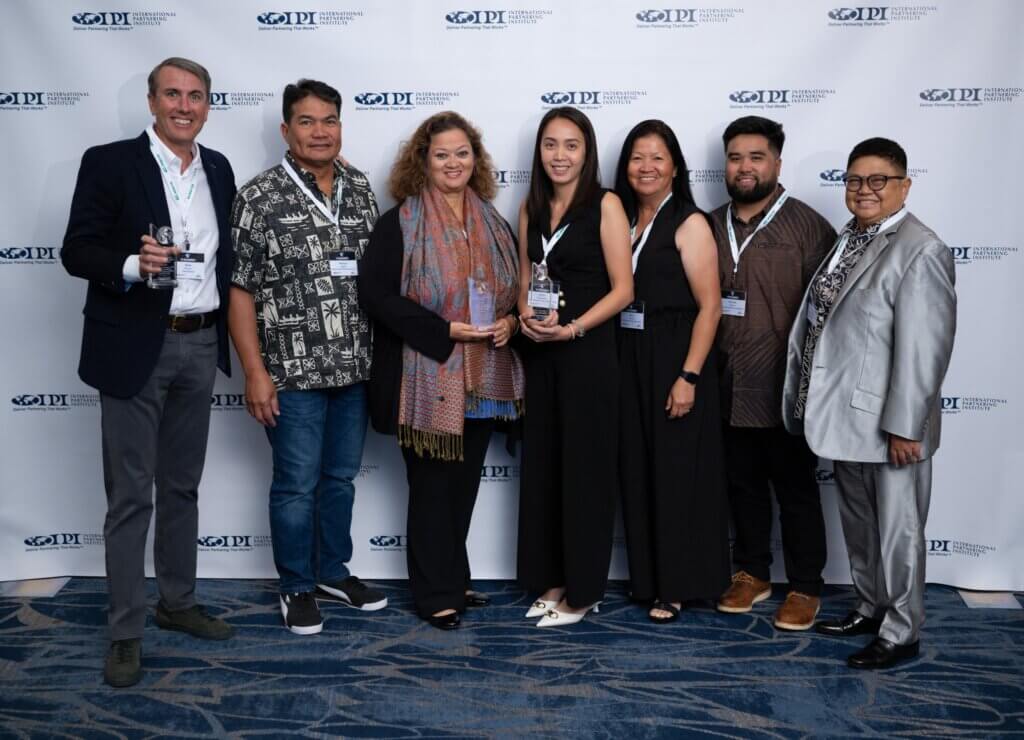
International Partnering Institute 2026 John L. Martin Partnered Project of the Year