Lessons from Guam’s Typhoon Season on Building Resilience Through Collaboration
Written by Mark Moody, Velo Group Facilitator
Guam doesn’t get to choose when a typhoon arrives. In 2026 alone, the island has already weathered Tropical Depression Nuri in March, Super Typhoon Sinlaku in April, Tropical Storm Hagupit in May, Tropical Storm Higos in June, and is currently under a Typhoon Warning as Typhoon Bavi bears down in July. That’s five named storms in less than five months and construction teams on the island don’t have the luxury of pressing pause.
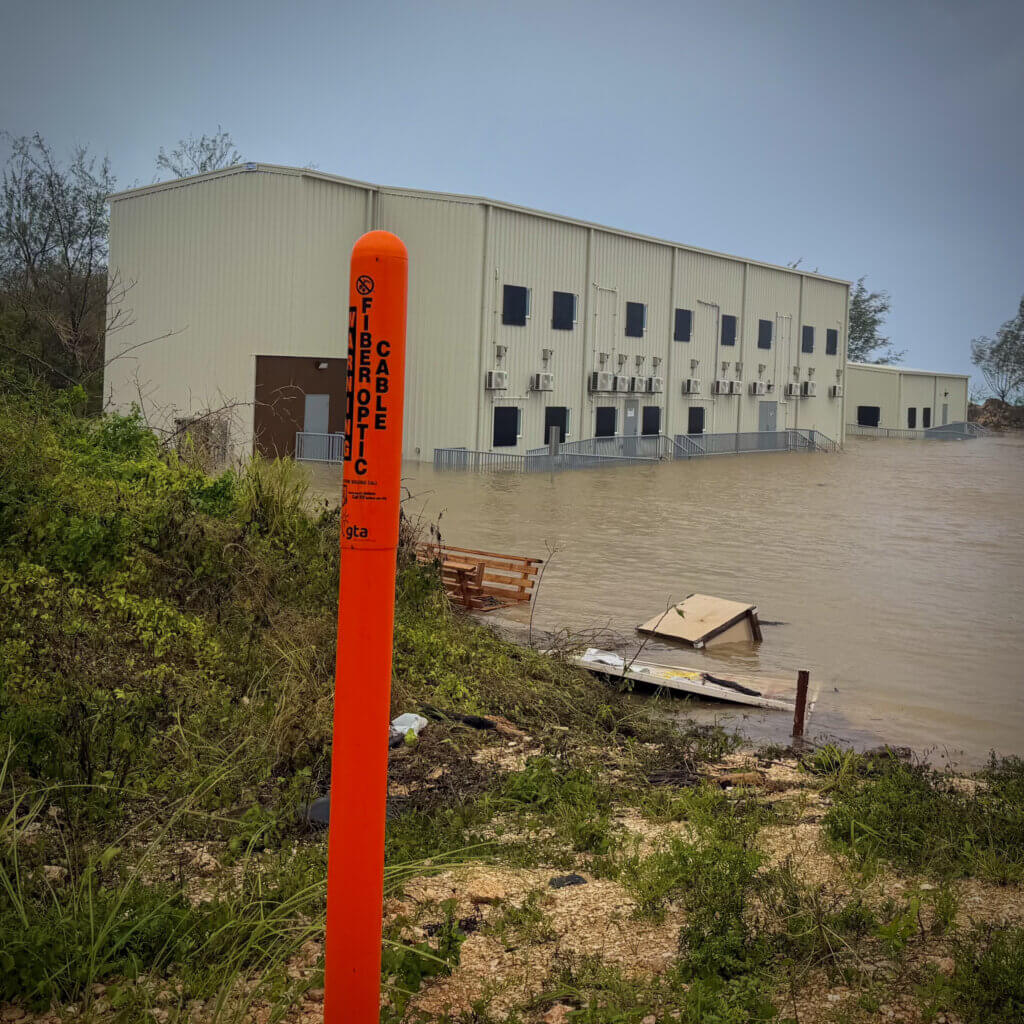
For construction professionals working in high-risk weather environments whether it’s the Western Pacific typhoon belt, the Gulf Coast hurricane corridor, or tornado-prone regions of the interior weather isn’t an occasional inconvenience. It’s a structural variable that needs to be built into how teams operate from day one. And one of the most effective tools for managing that variable isn’t a weather app or an insurance rider. It’s partnering.
What Is Construction Partnering?
Partnering is a structured, facilitated process in which project owners, contractors, subcontractors, designers, and key stakeholders come together typically at the start of a project to align on shared goals, establish communication protocols, and develop a framework for resolving disputes before they escalate. It’s not a legal agreement; it’s a relationship agreement. And when a Category 4 typhoon is on a 72-hour track toward your jobsite, that relationship is what determines whether you recover in days or months.
The formal partnering process typically includes a kickoff workshop facilitated by a neutral third party, followed by periodic check-ins throughout the project lifecycle. Teams set measurable goals, establish an issue escalation ladder, and critically identify in advance how they will handle unforeseeable events. Weather adversity, by definition, falls squarely in that category.
The Guam Context: A Gauntlet That Tests Every Team
Guam sits squarely in Typhoon Alley, one of the most active tropical cyclone regions on earth. The island averages multiple named storms per season, and when a major system makes landfall or passes close, the consequences for construction are immediate and severe: scaffolding fails, cranes must be de-rigged and secured, materials are damaged or lost, work stops for days or weeks, and supply chains to the island already long stretch further.
Super Typhoon Mawar in May 2023, one of the most powerful storms to threaten the island in decades brought sustained winds of over 140 mph and a storm surge that caused widespread infrastructure damage. Super Typhoon Sinlaku followed in April 2026 with similar intensity. For construction teams in the middle of active projects during these events, the question isn’t just “how do we survive the storm” it’s “how do we get back to work as quickly and safely as possible, and who decides what happens next?”
On a non-partnered project, those questions can trigger weeks of finger-pointing over contract language, disputed delay claims, and stalled decision-making at exactly the moment speed matters most. On a partnered project, the team has already answered most of them.
Five Ways Partnering Helps Teams Survive Weather Adversity
- Pre-Established Decision Authority
A partnering charter typically identifies who has authority to make decisions at various levels of consequence. When Typhoon Bavi’s track becomes clearer and a project superintendent needs to make a call on crane de-rigging in a 12-hour window, they don’t have time to wait for a procurement officer in a mainland office to review a contract clause. Partnering establishes that the field superintendent has clear authority to order immediate protective measures, and that everyone owner, contractor, sub has already agreed to the framework. - Open Communication Channels Built Before the Crisis
One of the most underrated benefits of partnering is that it forces people to actually know each other before a crisis hits. Teams that have sat in a workshop together, worked through hypotheticals, and built personal relationships communicate faster and more honestly under pressure. When a storm takes out a road and a concrete pour is in jeopardy, a subcontractor who trusts their project manager picks up the phone immediately. One who doesn’t may wait, hedge, and hope costing everyone time and money. - Shared Risk Mentality Over Blame Culture
Weather delays are a classic trigger for claims and counterclaims. Without a partnering framework, a typhoon-related delay can quickly become a dispute over who bears the cost of extended general conditions, damaged materials, and schedule acceleration. Partnering doesn’t eliminate those conversations, but it shifts the starting posture from adversarial to collaborative. Teams that partner approach weather recovery with a “how do we solve this together” orientation rather than immediately reaching for contract language as a weapon. - Faster Issue Resolution Through Pre-Agreed Escalation
Partnering charters define a tiered issue resolution process: problems get addressed at the lowest possible level, with defined time limits at each tier before escalating to the next. In a post-storm environment, where every day of delay has a cost, this structure is invaluable. Teams don’t need to wait for a formal claim process or months of dispute resolution the escalation path is already mapped, and everyone is committed to resolving issues quickly. On Guam’s federal construction projects in particular, this has proven to be a significant differentiator between projects that get back on track quickly and those that stall. - Morale and Mission Alignment When It Counts
This one doesn’t show up in a cost analysis, but it matters enormously: people work harder and with more resilience when they feel like they’re part of a team pursuing a shared mission. Partnering cultivates that sense of collective purpose. When a typhoon hits and crews are asked to come back to the jobsite early, work extended shifts to recover schedule, or make sacrifices for the project, a partnered team responds differently than a collection of contractors who see each other purely as adversaries in a zero-sum contract. They show up because they’re invested in the project, and in each other.
Building Partnering Into High-Risk Weather Environments
For projects in typhoon-prone locations like Guam and the Marianas, there are a few adaptations to standard partnering practice that make the process even more effective.
First, the initial partnering workshop should explicitly address weather contingencies. This means walking through a tabletop exercise: “A typhoon warning has been issued with 48 hours to landfall. Walk through your decision tree.” Who does what? When? In what order? What constitutes an acceptable protective action? What documentation is required for any potential delay claim? Teams that have worked through these scenarios in a low-stakes workshop respond faster and more calmly when it’s real.
Second, weather-related milestones and contingencies should be part of the shared project schedule maintained by all partnering parties. In a location like Guam, that means building in realistic buffers for typhoon season (June through November), acknowledging that certain types of work are simply not advisable in certain conditions, and agreeing in advance on how weather delays will be documented and treated.
Third, periodic check-in meetings a core element of any partnering program take on added importance after weather events. A post-storm check-in within 48 to 72 hours of a typhoon passage gives teams the structured space to assess damage, agree on priorities, reset the schedule, and address any emerging disputes before they calcify into claims. The agenda almost writes itself.
The Bottom Line
Construction in typhoon country is not for the faint-hearted. The teams building schools, hospitals, military installations, and infrastructure on Guam do so knowing that at any given moment, a storm could be 72 hours away. What separates the projects that recover quickly and finish strong from those that spiral into disputes and delays is almost never the contract language. It’s the quality of the relationships, the clarity of the communication, and the shared commitment to finding solutions instead of assigning blame.
Partnering builds all three. And in an environment where the next typhoon warning could come any week from June through November, that’s not a nice-to-have. It’s a project survival strategy.