Every May, Mental Health Awareness Month encourages industries across the country to take a closer look at the well-being of their workforce. In construction, that conversation is especially important.
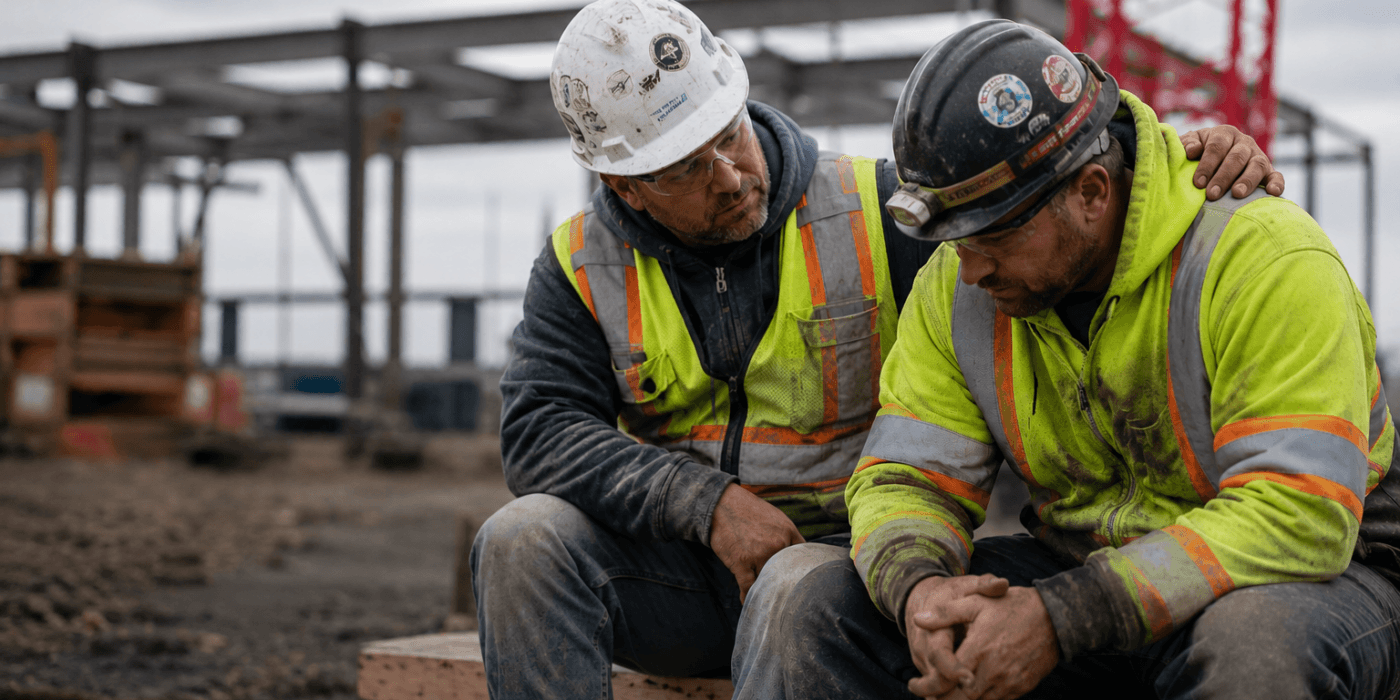
Construction professionals work in one of the most demanding environments in the world. Tight schedules, evolving project conditions, labor shortages, safety concerns, budget pressures, and long hours create a level of stress that can impact not only project performance, but also personal well-being. While the industry has made tremendous strides in physical safety, mental health is an equally important part of building a stronger workforce.
For many teams, one of the most effective ways to reduce stress on a project starts with a simple concept: improving how people work together.
The Hidden Stressors in Construction
Construction is built on problem-solving. Every day requires coordination between owners, designers, contractors, trade partners, inspectors, and field teams, often under intense pressure and constantly changing conditions.
On well-functioning projects, that collaboration feels direct and productive. On struggling projects, it can shift in a different direction. People who were once aligned become guarded. Direct conversations are replaced with email chains. Communication becomes more formal, more defensive, and less effective. Over time, trust begins to erode.
When this happens, stress increases quickly:
- Conflicts linger instead of being resolved
- Teams operate in silos
- Mistrust slows decision-making
- Individuals feel isolated or unsupported
- Burnout increases as tension becomes part of the daily jobsite culture
On challenged projects, teams can also shift into a “play not to lose” mindset. Instead of focusing energy on solving problems, time is spent protecting positions, documenting issues, and building case histories. What was once a collaborative effort becomes reactive and defensive.
In this environment, stakeholders may find themselves spending more time writing letters, preparing claims, and pointing fingers than working together to solve problems. This breakdown in relationships becomes one of the most significant drivers of stress on the job.
Over time, that atmosphere affects morale, productivity, retention, and mental health. People often describe it simply as not wanting to go to work.
The reality is that people perform better when they feel respected, heard, and connected to the team around them.
Why Team Building Matters in Construction
Strong teams are not formed by accident. They are built intentionally.
Team-building activities in construction are sometimes viewed as optional or secondary to project execution. In reality, they play a critical role in creating healthier project environments and reducing stress.
Effective team building helps individuals:
- Develop trust with colleagues and trade partners
- Improve communication styles
- Resolve conflicts more constructively
- Build empathy across organizations and disciplines
- Create psychological safety within the project team
When teams understand each other better, collaboration improves and stress levels often decrease alongside it.
A project environment built on trust allows people to raise concerns earlier, ask for help when needed, and focus on solutions rather than blame.
It is also important to recognize that trust does not develop automatically just because a project uses a collaborative delivery method. Good intentions and prior experience are not always enough. Every project brings new people, new dynamics, and new pressures.
Even teams that start strong can drift into misalignment if communication structures are not actively maintained.
How Construction Partnering Reduces Project Stress
Construction partnering strengthens team building by creating a structured framework for collaboration throughout the life of a project.
A professional partnering facilitator helps project teams establish:
- Shared goals and expectations
- Clear communication pathways
- Conflict resolution processes
- Accountability measures
- Regular check-ins and alignment sessions
These approaches are especially impactful on projects already experiencing conflict and stress.
On challenged projects, traditional responses such as directives, slogans, or general calls for “better teamwork” rarely create lasting change. Teams under pressure do not need reminders to collaborate; they need structure that helps them reset how they are working together.
Facilitation in these situations often begins by acknowledging the current reality of the project and creating space for a reset. This may include setting aside unresolved disputes temporarily and refocusing the team on shared outcomes for the remainder of the work.
Rather than remaining locked in historical conflicts, teams are guided to define clear, forward-looking “partnership goals.” These typically focus on key outcomes such as schedule, budget, quality, dispute resolution, and third-party impacts.
These goals are not about revisiting the past or assigning blame. They establish alignment on what success looks like from this point forward.
Once defined, the team can identify the processes needed to achieve them, such as improving submittal workflows, accelerating RFIs, streamlining change management, and clarifying decision-making pathways. Roles are then assigned based on each participant’s ability to contribute, supported by clear accountability structures.
This structured reset helps shift the dynamic from defensiveness to collaboration, replacing reactive behavior with shared purpose that creates peace of mind.
Psychological Safety on the Jobsite
One of the greatest benefits of partnering is the creation of psychological safety, which is an environment where team members feel comfortable speaking openly without fear of blame or retaliation.
In construction, this matters tremendously.
Psychological safety encourages:
- Earlier identification of risks and concerns
- Better safety reporting
- More innovative problem-solving
- Stronger teamwork
- Greater employee engagement
It also helps individuals feel valued as people, not just as roles on an org chart.
When project teams foster respect and open communication, the culture of the jobsite changes. Stress does not disappear entirely because construction will always be challenging work, but the burden becomes shared rather than isolated.
Supporting the Whole Construction Workforce
Mental health support in construction cannot rely solely on individual resilience. Organizations must also focus on creating healthier project cultures.
That includes:
- Encouraging open conversations about stress and burnout
- Promoting work-life balance where possible
- Recognizing the emotional impact of high-pressure projects
- Investing in collaboration and communication training
- Using partnering and facilitation to strengthen relationships across teams
Healthy teams build better projects because trust, communication, and collaboration reduce stress and strengthen performance.
Building More Than Projects
At its best, construction partnering is about more than schedules and budgets. It is about creating environments where people can succeed together.
Even on the most difficult projects, there is often shared recognition that continuing in an adversarial direction only increases stress, delays progress, and negatively impacts everyone involved. The challenge is not awareness but creating a structured way to change course.
Partnering provides that structure. It helps teams move from conflict to clarity, from defensiveness to alignment, and from stress-driven reactions to purposeful action.
During Mental Health Awareness Month, it is worth remembering that collaboration, communication, and trust are not just project management tools. They are also tools for supporting the well-being of the people behind every construction project.
By investing in team building and partnering, the industry can continue building safer, stronger, and healthier workplaces for everyone involved.
